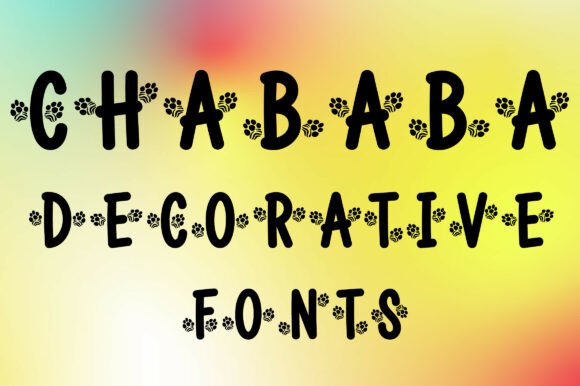
Chababa: A Playful Decorative Font for Makers
The afternoon sun was streaming across my workbench, illuminating a stack of kraft paper tags and a fresh roll of matte vinyl. I had just finished pouring a small batch of lavender-vanilla soy candles, and now came the part I love most: branding. I needed a typeface that felt as warm and inviting as the scent itself, something that would pop against the rustic texture of the label but still feel handmade and personal. That is when I pulled up Chababa. As soon as I typed out "Hand Poured with Love," I knew I had found the perfect match. This decorative font brings a unique charm that transforms simple text into a design statement, instantly elevating the perceived value of the product.
For those of us who spend our days creating tangible goods, whether it is stationery, home decor, or apparel, typography is often the silent ambassador of our brand. Chababa is not just a set of letters; it is a creative tool designed to inject personality, fun, and visual interest into any project. Its style sits comfortably in the decorative category, offering a distinct look that stands out in a crowded marketplace without feeling overly complicated or difficult to read. When you are designing for real-world applications, from physical packaging to digital downloads, having a versatile typeface like this in your arsenal can make the difference between a good design and a great one.
Bringing Charm to Handmade Labels and Packaging
One of the most immediate uses I found for Chababa was on product labels. In the world of handmade sales, first impressions are everything. A customer might pick up a jar of honey, a bottle of artisan soap, or a scented candle because of the shape or color, but they often decide to buy it based on the label’s appeal. Chababa’s playful yet structured forms work beautifully for short phrases, product names, and brand logos. Because it is a display font, it commands attention without shouting. It has a certain whimsical quality that suggests creativity and care, which aligns perfectly with the ethos of small-batch production.
When I applied Chababa to my candle labels, I noticed how well it balanced with the negative space. Decorative fonts can sometimes feel heavy if used incorrectly, but this typeface maintains a lightness that allows it to breathe. It is ideal for boutique tags where you want to highlight key information like "Small Batch" or "Organic Ingredients." The visual weight of the letters provides a nice contrast to thinner, more delicate elements in the design. Whether you are printing on glossy sticker paper for mugs or using a thermal printer for shipping labels, the clarity of the characters ensures that your message remains legible and impactful.
Elevating Stationery and Wedding Invitations
Beyond packaging, Chababa shines in the realm of paper goods. I recently experimented with it for a set of birthday invitations and was delighted by the results. Wedding stationery and greeting cards often rely on script fonts for elegance, but there is a growing trend toward more modern, playful typography that feels approachable and fresh. Chababa fits this niche perfectly. It adds a touch of celebration and joy to the page, making it an excellent choice for birth announcements, baby shower invites, or casual wedding welcome boards.
For printable creators, this font offers a fantastic opportunity to design digital downloads that stand out. Imagine a set of printable wall art quotes for a nursery or a playful kitchen sign. The distinctive shapes of Chababa make each letter feel like a small illustration in itself. When used for titles or headers on planner pages, it breaks up the monotony of standard text and adds a layer of artistic flair. It encourages the user to engage with the content, turning a functional item like a weekly planner into a piece of decorative art. The font’s ability to convey mood—whether it is cheerful, quirky, or sophisticated depending on the context—makes it a versatile asset for any stationery designer.
Practical Tips for Cutting Machines and Merchandise
If you are a Cricut or Silhouette user, you know that not all decorative fonts are created equal when it comes to cutting vinyl or heat transfer material. Chababa performs surprisingly well in this regard, provided you keep a few practical tips in mind. Because it is a display font, it is best suited for larger sizes. When using it for stickers or small product tags, ensure that the text is not too tiny, as the intricate details might get lost or become difficult to weed. I recommend testing a sample cut on scrap vinyl to adjust your blade depth and speed, ensuring clean edges that reflect the high quality of your final product.
For merchandise like tote bags, t-shirts, and mugs, Chababa adds a trendy, modern typography vibe. It pairs exceptionally well with simple graphics or icons. For instance, placing a Chababa headline above a minimalist line drawing creates a balanced composition that appeals to contemporary tastes. When designing for apparel, consider using the font in bold colors against neutral backgrounds to maximize readability and visual impact. The font’s inherent personality means you do not need to over-design; letting the typeface speak for itself often yields the most stylish results.
Mastering Font Pairing for Brand Consistency
To get the most out of Chababa, understanding font pairing is essential. Since it is a strong decorative font, it works best when paired with simpler, more neutral typefaces. A clean sans serif font is an excellent companion for body text or secondary information, providing a clear contrast that guides the reader’s eye. Alternatively, pairing it with a subtle serif font can create a sophisticated, editorial design look that feels both modern and timeless. Avoid pairing it with other highly decorative or script fonts, as this can create visual clutter and reduce readability.
Consistency in your brand identity is key to building customer recognition. By using Chababa consistently across your shop materials—from social media graphics to packaging inserts—you create a cohesive visual language. Customers begin to associate the unique charm of the font with your brand’s personality. This emotional appeal can foster a deeper connection with your audience, making your products memorable in a sea of generic options. Whether you are designing a logo, creating web banners, or crafting seasonal holiday tags, maintaining this consistency helps reinforce your professional image.
Checking Licensing and Technical Details
Before you start selling physical products or digital templates featuring Chababa, it is crucial to review the licensing terms. Most commercial fonts come with specific guidelines regarding their use in merchandise, printables, and digital downloads. Ensure that your license covers the intended use, such as selling items on Etsy, Amazon Handmade, or at local craft fairs. Additionally, check the included file formats. Having access to OTF, TTF, and potentially web-friendly formats ensures compatibility with various design software and platforms.
Take some time to explore any alternates, ligatures, or swashes that may be included with the font. These extra glyphs can add a custom touch to your designs, allowing you to create unique combinations that no one else has. Multilingual support is another feature to look for if you plan to expand your market internationally. By thoroughly understanding the technical aspects of the font, you can work more efficiently and avoid potential legal or technical issues down the line. Ultimately, Chababa is more than just a typeface; it is a creative partner that helps bring your vision to life, adding that essential spark of personality to every project you touch.